
Harrogate neurodevelopmental expert publishes book to support teachers and SENDCOs

This article contains affiliate links. We may earn a small commission on items purchased through this article, but that does not affect our editorial judgement.
Harrogate therapist launches book to aid neurodivergent
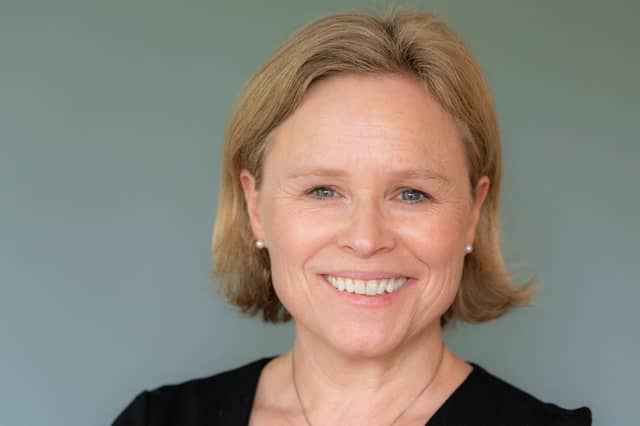
A Harrogate Consultant Speech and Language Therapist at local psychology and neurodevelopmental practice, Evolve Psychology, has become an author after spending years hearing from neurodivergent children and their families about school challenges.
Kate Crawford-Blake has published a book on inclusion in the classroom, with practical tips for educational professionals, after watching need outstrip training in schools.
“In a class of 30 pupils, up to six may be neurodivergent," said Kate. "This is a significant number."

Schools are being asked to support more children with different learning needs than ever before.
As understanding of neurodevelopmental differences like ADHD and autism grows, and the government pushes for support based on individual needs, teachers and school staff increasingly need training to help every pupil thrive.
Kate’s new book, SEND Mini Guide to Creating a Neuroinclusive Classroom, will help with this by supporting teaching staff to:
· Identify how different neurodivergences show up in school and what they mean for teaching
· Make simple, sustainable adjustments that improve pupils’ experience and engagement
· Build a more neuro-inclusive culture that helps more learners reach their potential
She added: “My team hear time and again about similar struggles neurodivergent children have at school.
"Indeed, many families seek a diagnostic assessment in order to support their requests for accommodations. This should not be necessary.
“Teachers and SENDCOs work hard to meet all the needs in their classrooms. This guide recognises they are short on resources - not least time - so focuses on practical tips that can easily be incorporated into a busy school day and help to make a difference to neurodivergent pupils.”
The book’s tips include:
· Using visuals to make the day predictable
· Keeping instructions to one or two at a time
· Letting pupils show their learning in different ways, including drawing and speaking.
· Building in processing time, with a pause after a question before asking for answers
Kate added: “I want to help teaching professionals to understand how different neurodivergences shape learning, communication and behaviour - and what to do about it, to create genuinely neuroinclusive learning environments.”
And Kate leads Evolve Psychology’s sister company; the Evolve International Skills & Research Academy, which trains and advises schools, workplaces and individuals on understanding neurodivergency and neuroinclusion.
The SEND Mini Guide to Creating a Neuroinclusive Classroom is available from its publisher, Trotman plus Waterstones and Amazon in paperback and Kindle editions.