
Autumn Budget 2026: 'Many hospitality businesses in Harrogate will continue to face major cost pressures'
“Perhaps the biggest disappointment from the Budget is the complete absence of any reference to reducing VAT for hospitality”
Harrogate businesses have reacted to Chancellor John Healey’s first Budget which has been met with a muted response after promising some breathing space on the cost of living.
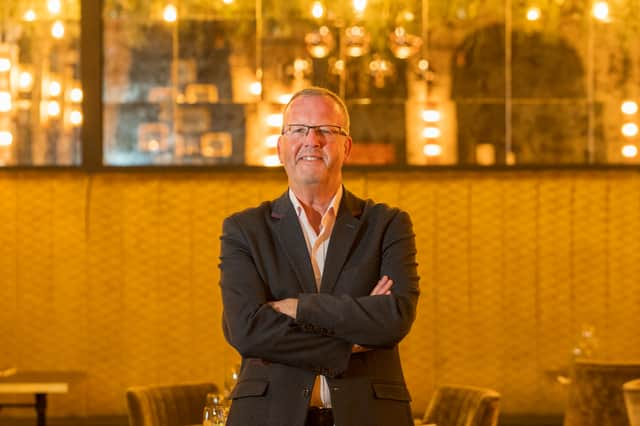
Simon Cotton, Managing Director of Harrogate’s Fat Badger Group, welcomed several of the general economic measures announced in the Chancellor’s statement to the House of Commons.
But he said he was disappointed by the absence of any long-term reduction VAT for hospitality, which the sector itself believes should be a priority.
And, he added, the cost of doing business in the hospitality sector would still remain high after the Budget, meaning that pressure on profit margins would remain “enormous”.
"Today's Budget contains some welcome measures for hospitality businesses, particularly the increase in Small Business Rates Relief, which will provide valuable support for many independent operators and smaller venues across the country,” said Mr Cotton,.
“Any move that helps protect high streets, support local employers and encourage investment in town and city centres is a positive step.
“For hospitality businesses in Harrogate, however, the picture is more mixed.
“While some smaller operators will benefit from enhanced business rates support, many hospitality businesses continue to face significant cost pressures.
“The confirmed increase in the National Living Wage will add substantially to employment costs at a time when wages, National Insurance, utilities, food and supplier costs are already placing enormous pressure on margins.
“Perhaps the biggest disappointment from the Budget is the complete absence of any reference to reducing VAT for hospitality. Industry leaders have consistently argued that a targeted VAT reduction would be one of the most effective ways of stimulating growth, encouraging investment, supporting employment and strengthening Britain's tourism economy.
“Given the importance of hospitality to local communities and regional economies, it is disappointing that there was not even an indication that such a proposal would be considered in the future.
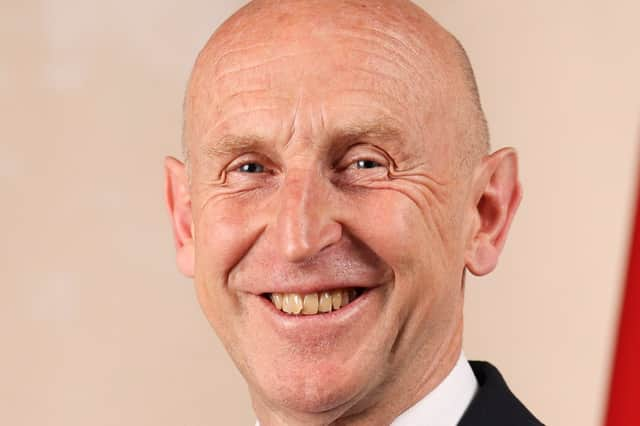
In advance of his first Budget, Labour Chancellor John Healey had signalled that the Budget would be designed to give households “breathing space” from some of the everyday costs, provide targeted support for businesses and self-employed people, and to start the long-term action needed to get energy costs down for good.
Most political and financial commentators said the Autumn Budget was unlikely to change the dial radically on the economy, though the Chancellor’s measures on “total fiscal devolution" to ensure 100% of business rates were retained locally by the end of the decade was a significant shift by the Government.
When it comes to day-to-day trading on Harrogate’s high street, Simon Cotton said things would remain tough but the Budget did contain a few hopeful signs.
Simon Cotton said: “There will be concern across the sector about the continued upward pressure on alcohol duty.
“While increases may seem relatively small in isolation, they come on top of a long list of rising costs that pubs, bars and restaurants have been absorbing for several years.
“Eventually those costs have to be recovered somewhere, and that risks putting further pressure on prices for consumers.
“That said, the wider focus on economic growth and consumer confidence is encouraging.
“Hospitality ultimately relies on discretionary spending.
“When people feel confident about their personal finances, they are more likely to visit pubs, enjoy meals out, take short breaks and support local businesses .”
The Autumn Budget at a glance: Main points
Business
There's a mixed outlook on the economy from the public finances watchdog, the OBR - with GDP expected to expand by 1.2% this year, but next year it forecasts 1%, a drop from earlier expectations.
There will be a smaller rise in minimum wage for young workers than expected, with those aged 18 to 20 seeing it go up by 3.9%.
The Chancellor is increasing the threshold for Small Business Rate Relief for retail hospitality and leisure businesses from £12,000 to £18,000.
The change is expected to remove business rates completely for approximately 70,000 small businesses in the UK.
Other businesses operating in the retail, hospitality, and leisure sectors will have their business rates frozen in real terms.
The Chancellor announced £10m of alcohol duty relief - Small Producer Relief - for small British brewers and cider makers producing alcohol of less than 8.5% volume (ABV).
Banks will pay an extra 3% on the banks surcharge, which will be "time-limited" - a smaller tax rise than expected.
To reward people who set up successful firms, the Chancellor announces a "founders' relief", a 10% rate on lifetime gains up to £10 million for the founders of Britain's most successful firms.
Chancellor John Healey is launching a new young entrepreneurs allowance, which will cover a year of living costs for young founders "while they turn their ideas into businesses".
He's also announcing a new scale-up programme to female founders, adding that the British business bank will double its commitments to women-led businesses in funds to £200m.
Cost of living
The Chancellor says he will extend the current 0% VAT rate on domestic electricity until July 2027 in an attempt to ease rising bills.
He also announces that 20 million households in council tax bands A-D in England will receive a £100 "household energy payment" this winter, as he delivers his first Budget.
He says he will end standing charges on gas bills for 23 million homes.
The Government will extend the 5p discount on fuel duty until July 2027 in an attempt to address the impact of high petrol and diesel prices on motorists.
A new £4.7bn Your First Home equity loan scheme, supporting 70,000 buyers, will be introduced, alongside the introduction of a new First Time Buyer ISA.
An additional £1.5bn is to be allocated for social and affordable housing.