
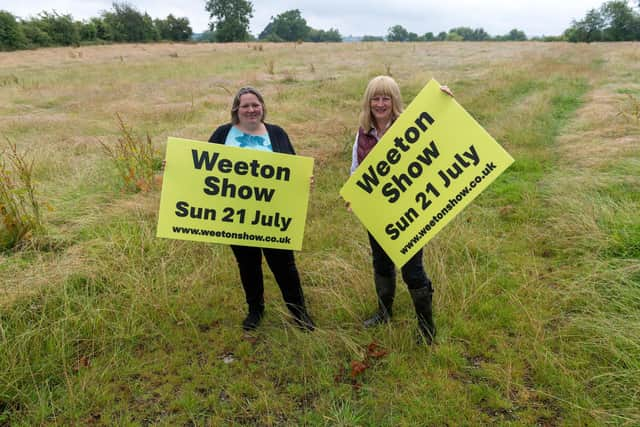
Organisers putting the final touches to Weeton Show preparations as event returns for 77th year
At 6pm on Sunday, July 21 the 77th Weeton Show will close its gates and all the hard work (except the clearing up) will be over for another year. Which raises the question, are local shows important and are they really worth all the hard work?
Village shows date back to medieval times as an integral part of rural life, starting as fairs and markets held for farmers and craftsmen to demonstrate and sell their wares, and for villagers to trade goods.
They were also an opportunity for the village to celebrate their community and their achievements.
Throughout their growth, village shows swayed towards becoming more formal events, which gave rise to new and navigating agricultural societies such as the Yorkshire Agricultural Society (founded in 1837). These societies each hosted large annual shows to promote new developments in farming techniques and livestock breeding.

Our very own Great Yorkshire Show owns this heritage, offering a wide variety of competitions, demonstrations and multiple trading stalls throughout the years.
Although they remain out of the commercial spotlight, it could be argued that it is the village shows that are the backbone to the success of their larger agricultural relatives.
Local shows with a strong sense of community are vital building blocks for many competitors and traders to break “first-times”, whether that be in a competition ring, learning new hobbies and crafts, or baking a new cake. And with their welcoming atmospheres, visitors from both near and far are encouraged to explore and learn about (and even try!) what is on their rural doorstep; handicrafts, vegetable growing, art, or jam and cake making.
Village shows have adapted to meet the current day, but the old community spirit is still very much alive within them, with many of the community volunteering to help plan, organise, run and clean up after them.
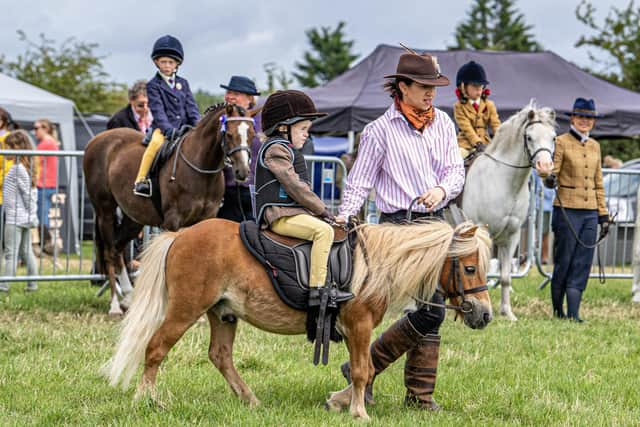
Weeton Show has a team of sixty volunteers working throughout the year and on the day to ensure the show’s success.
So, in answer to the original questions, the village shows are still extremely important in the structure of agricultural societies and rural competitions and maintaining the social spirit of community. And for those two reasons they are worth all the hard work and perhaps even more so in the modern world.
Candy Waller, chief co-ordinator of Weeton Show, said: “It’s great community day with so many different elements at one event - animals, entertainment, competition, food, shopping, neighbours, friends.
“The best bit is at 6am on show day morning before everyone starts arriving - all the preparations are done, the field is set and quiet. Then gradually people start to arrive and the show blossoms into life again.”
Weeton Show was set up immediately after World War Two in response to a push to improve the quality and quantity of food production.
More than 100 sheep will be exhibited at Weeton Show this year, indicating that the small shows are still used by farmers to show the quality of their herds.
The Weeton Show horticulture tent is going from strength to strength with 2023 entries up by more than 65 per cent compared to 2022, representing society’s renewed enthusiasm for growing your own fruit and veg.