
From the Yorkshire Dales to Checkpoint Charlie: 6 ways to enjoy historical Berlin this autumn
The German capital may be known for its vibrant culture and hip art scene, but Berlin’s rich history really sets it apart from any other city in Europe.
For Yorkshire locals seeking out a city break this autumn, it’s difficult to look beyond Berlin as a destination that offers something for everyone.
From its Prussian roots all the way through to World War II and the Cold War, Berlin is a city that has been at the heart of European history, and the modern capital still features plenty of relics from its past that can enrich any visit.
Once divided by the Berlin Wall, it’s possible to explore the stark differences between Eastern and Western life on foot, and free walking tours of Berlin can really help visitors get to grips with the city’s past.
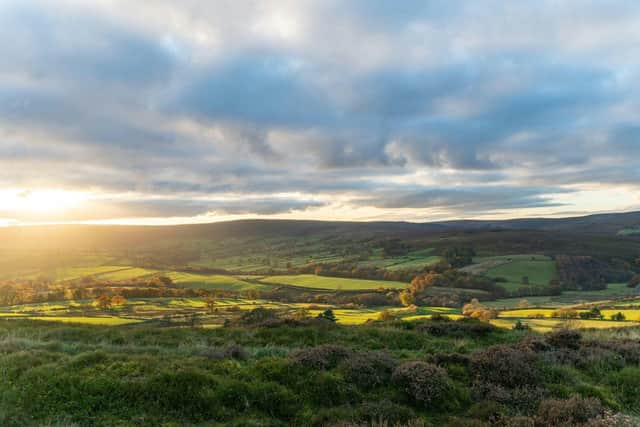

With flights available from Leeds Bradford Airport from just £64 in autumn, Berlin is an affordable destination that’s brimming with experiences and plenty of history to indulge in. With this in mind, let’s take a deeper look at six ways to enjoy Berlin’s history on your next visit:
Checkpoint Charlie
Standing as a perfectly preserved piece of Cold War history, Checkpoint Charlie was once a crossing point between East Berlin and West Berlin between 1947 and 1991, and now represents the separation between East and West Germany.
While the Berlin Wall surrounding Checkpoint Charlie was torn down after the German reunification, the site has since become a landmark high on the itinerary of tourists, and the nearby Wall Museum is an excellent way of letting the history of the Cold War come to life.
Located in the heart of Friedrichstraße, Checkpoint Charlie stands as a relic of Berlin’s Cold War history and is free to visit.
Berlin Wall Memorial
The Berlin Wall Memorial extends along nearly a mile of the former city border and contains the last piece of the wall with the preserved grounds behind it, providing an excellent insight into how the border fortifications looked when the nation was divided.
The expansive park space surrounding the memorial makes it the ideal spot to spend an afternoon in leafy surroundings or to enjoy a lunch in a quiet corner of the city.
The historical site is also packed with plenty of exhibitions, and if you have a smartphone, you can download your very own tour to get up close and personal with some of the relics of the memorial.
Brandenburg Gate
Brandenburg Gate is one of Germany’s most iconic landmarks. Built in the 18th century, the gate has become one of the most powerful symbols in Germany’s history.
Once located on the border of the Berlin Wall, Brandenburg Gate is now free to visit and explore for visitors and represents a unified Germany.
Given the gate’s symbolism throughout the city’s past, a visit to the Brandenburg Gate can be an impactful experience and certainly worthy of inclusion on any city break itinerary.
The Reichstag Building
Built in 1884, the Reichstag is the German Parliament building. The building has played a central role in Germany’s recent history, and although it was bombed heavily towards the end of World War II, when the Soviet army reached it in 1945, many soldiers left graffiti on the walls on their way to the roof, much of which is still preserved today.
It’s free to take a 90-minute tour of the Reichstag, and the building also features a dome that offers some great views over the city.
East Side Gallery
At 1,316 metres long and painted on the longest continuous section of the Berlin Wall still in existence, the East Side Gallery serves as a time capsule to the spirit of the time upon the fall of the wall in 1989.
Immediately after the Berlin Wall came down on the 9th of November 1989, 118 artists from 21 countries began painting the East Side Gallery, and it opened almost a year later in September 1990. One year later, the gallery was awarded protected memorial status.
With more than 100 paintings on the old east side of the wall, there are plenty of political commentaries, including Dmitri Vrubel’s Fraternal Kiss, which draws visitors from all around the world all year round.
The Holocaust Memorial
Consisting of a sea of uneven concrete slabs, Berlin’s Holocaust Memorial is a poignant reminder of one of history’s darkest chapters, and many tourists make the trip to the memorial each year as a poignant inclusion on their itinerary.
Created by Peter Eisenman in 2005 and located just two minutes from the Brandenburg Gate, the artist has never explained his work, instead allowing you to draw your own interpretations.
Visiting Berlin this Autumn
The German capital today is a vibrant metropolis that can cater to all kinds of tourist appetites and expectations, but Berlin’s history is certainly among the most poignant in the world.
Equally as enjoyable as a short city break and as part of a longer holiday, modern Berlin is a symbol of unity that serves up many reminders of its divided past. If you’re looking to swap the Yorkshire Dales for a European holiday with plenty of history on offer, there’s no better place to visit than Berlin.