
Worried Harrogate businesses feel the strain as Budget bring £22 billion investment for NHS
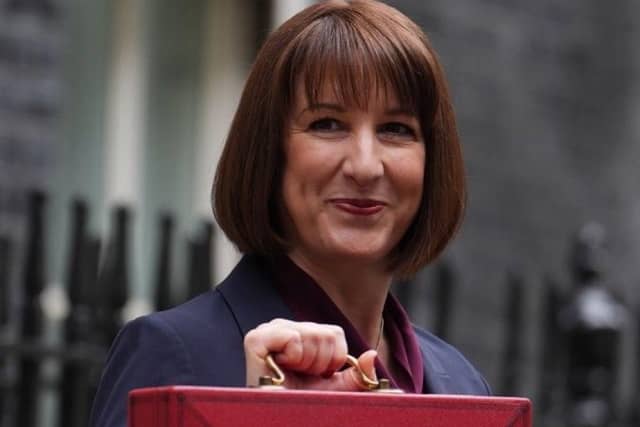
The NHS may be about to receive a £22 billion boost for frontline for services but Harrogate businesses are waiting to see where economic growth is coming from after the first Labour Budget for 14 years.
Last week’s series of major announcements by Rachel Reeves included substantial investment not only in the NHS but in education, including an additional £6.7bn to the Department for Education next year, a 19% real-terms increase on this year. and more money for public transport.
The first Budget by a female Chancellor of the Exchequer also began the Government’s reform of business rates to help level the playing field for high streets.
Rachel Reeves said that, from 2026-27, lower tax rates for retail, hospitality and leisure properties would be introduced permanently.
David Skaith, Labour’s Harrogate-born Mayor of York and North Yorkshire, welcomed the Budget on the whole
"The scale of negligence by the previous Conservative government has created a mess on a scale never seen before,” said Mr Skaith.
"I understand that difficult choices have had to be made to get things working again and turn the page on the last 14 years."
The price to be paid came in a series of measures increasing the tax burden on businesses, including a decision to make employers pay a bigger contribution to National Insurance (NI) for their employees and increases in both the National Living Wage, and the National Minimum Wage.
When it comes to Government debts, the independent Office for Budget Responsibility said borrowing was now forecast to fall by 2.5 per cent of GDP between 2024-25 and 2029-30.
But others pointed out that Chancellor Reeves had relaxed the rules on borrowing more to allow for up to £50bn more borrowing to invest in big building projects.
There was no change in the rate of income tax and National Insurance (NI) paid by employees, or of VAT.
Income tax band thresholds will also remain unfrozen in 2028, preventing more people being dragged into higher bands as wages rise.
Farmers have been angered by a new £1 million limit on 100% inheritance tax relief for farms.