
Tough new rules to cut roadworks frustration for Harrogate district motorists may be introduced
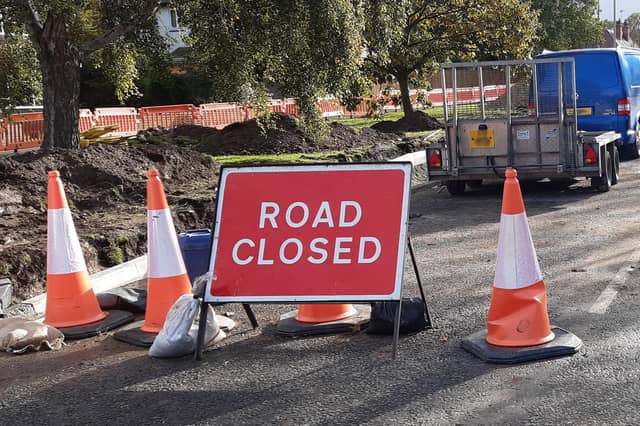

Tough new rules on roadworks in Harrogate may be on their way in a radical new scheme which is believed to be the first of its kind in the North of England.
Under the proposals being pushed by North Yorkshire Council, utility companies would incur daily fees of up to £2,500 for undertaking maintenance work at peak times in a move designed to reduce the length of works and encourage companies to work together to minimise inconvenience.
Recent years have seen a wave of roadworks around Harrogate and Knaresborough fuelled by a rash of new housing developments.
The lane rental scheme is already successfully operating in London and Kent where figures show a significant reduction in congestion, as companies worked outside peak times to avoid accumulating charges.
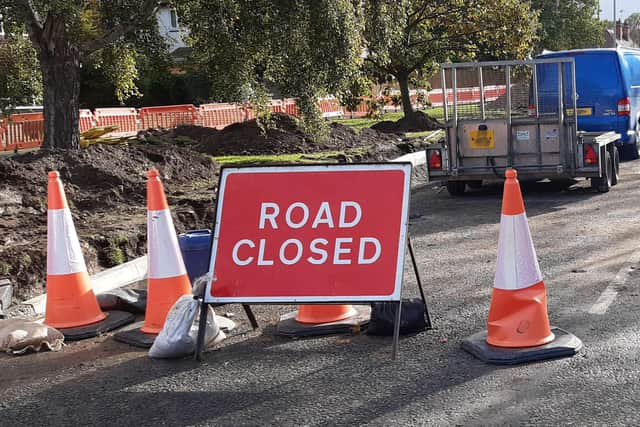
North Yorkshire Council’s executive member for highways and transportation, Coun Keane Duncan said: “Roadworks are a major source of frustration, that’s why we’re adopting the toughest possible approach in North Yorkshire.
“Charging utility companies for the time they occupy the highway means we can incentivise them to complete works more efficiently and outside of peak hours.
“By moving this scheme forwards, we’re doing everything within our legal power to ensure disruption for residents, visitors and businesses is minimised.”
The new approach to roadworks is particularly relevant to the geography of North Yorkshire
As England’s largest county, its road network stretches nearly 5,800 miles.
With the number of eroded or potholed roads in the Harrogate district regarded to be at an all-time high, weary motorists face - potentially – roadworks for years to come.
But the no-messing proposals give hope of lessening the impact of closures, diversions and diggers.
The next step in the process will see key stakeholders will being consulted on the scheme before an application goes to the Department for Transport for Secretary of State approval.
If successful, the scheme could be in operation before the summer of next year.
Any fees raised from utility companies would be used to cover costs of running the scheme, with any surplus invested into measures that reduce disruption on the highways in North Yorkshire.