
The future of rail ticketing is here as Harrogate commuters test new 'pay as you go’ system on Leeds line
Hundreds of Harrogate rail passengers have joined a ticketless train trial in Yorkshire.
The new ‘pay as you go’ technology first became available on the route between Leeds and Harrogate last September and was extended to trains between Sheffield and Doncaster in November.
The smartphone app uses GPS to track journeys and charge users the best fare on the day.
In total, more than 30,000 journeys have now been made on Northern services by passengers using the new digital pay as you go (DPAYG) system.
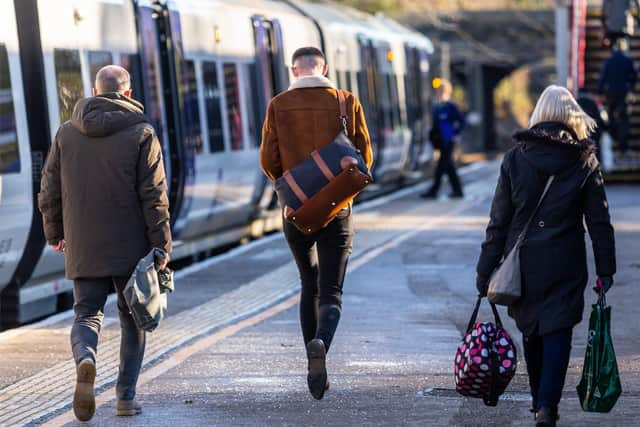

Part of a trial run by the Department for Transport and Northern, Northern’s Commercial and Customer Director Alex Hornby said the digital technology represented "the future of ticketing".
"It’s fantastic to see this reaction from our customers in Yorkshire, as more than 3,200 individual passengers are now making the most of it,” said Mr Hornby.
"We've been receiving a lot of promising feedback so far, with high app review scores and many saying it makes travelling by train easier.
“There is still time for more people to join the trial and try out these pay-as-you-go tickets.”
When passengers start their journey in the mobile app, a barcode is generated which they can scan at ticket barriers and during inspections on trains.
They tap "end journey" when they reach their destination.
The app tracks journeys using GPS and then automatically charges them the best fare on the day.
Northern, which is the second largest train operator in the UK, said Harrogate passengers could continue to sign up to the trial, with £15 in journey credit given to anyone who opts to take part in the trial.
The app can also help save people money as there are daily and weekly caps on the cost of travel.
The new system won't allow passengers to spend more than £12.80 in one day.
The pilot scheme comes as the Government attempts to improve passenger journeys ahead of the creation of Great British Railways (GBR).
The technology was widely tested in Switzerland, Denmark and Scotland before it was introduced on a number of routes in England last year.