
Ripon's Labour candidate spells out case for a better future as polls show tight race with top Tory
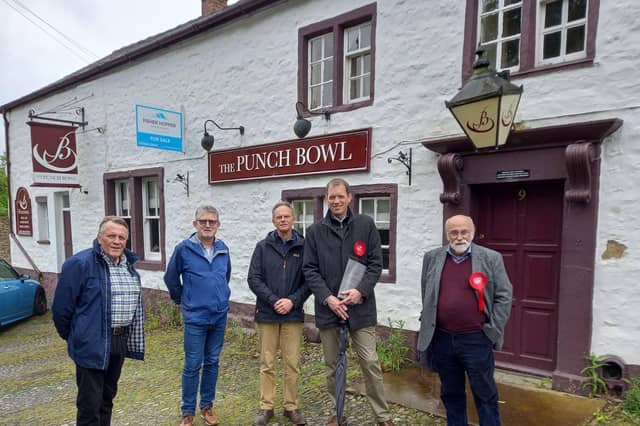

In the final hours before voters go to the polls Labour’s candidate Skipton and Ripon has visited independent businesses and employers to highlight how things could be made better.
With polls showing it is too close to call in the traditional Tory seat held by the Tory Party’s former chief whip Julian Smith, Malcolm Birks has been visiting businesses including Hear & Now, a hearing healthcare practice in Ripon, Settle College and GTEC Training centre in renewable energy training in Hawes.
“Before setting off on the visits to businesses and employers in our region, the Labour Party conducted a survey, which showed more than half (55 per cent) of our constituency’s employers rated hiring and retaining staff in their top three headaches, while a third (33 per cent) named skills shortages,” said Mr Birks.
“For schools like Settle College it is both a supply and demand issue - they have to hire and retain enough quality teachers in order to educate the employees of the future.
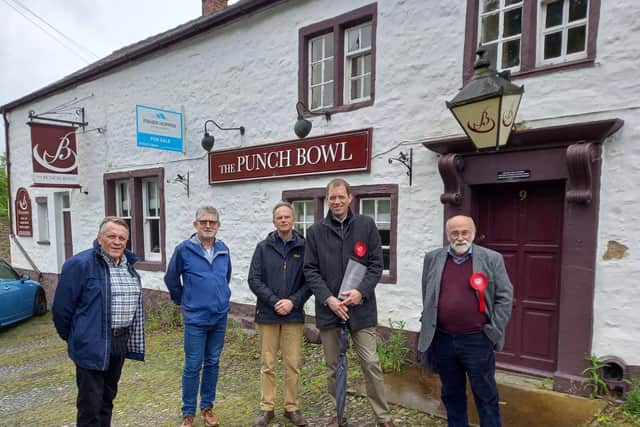
“Training local people and investing in clean energy represents a huge opportunity to generate growth, tackle the cost-of-living crisis and make Britain energy independent.
"That is why clean energy by 2030 is one of Labour's missions, if elected.”
The new survey also showed that, as well as business rates, which were named by more than half of respondents (55 per cent) as in the top three pressing business issues, 78 per cent said the NHS and not being able to access services quickly was in their top three issues.”
Nationally, Labour has pledged to reduce waiting lists by delivering 40,000 more NHS appointments weekly, double the number of cancer scanners and rescue NHS dentistry with 700,000 emergency appointments.
Labour’s candidate for Skipton and Ripon has also met with the NFU and farmers in this largely rural constituency.
“One farmer I talked to had to work a second job to get by,” said Mr Birks.
"We have to sort out the current mess of the wrong kind of subsidies going to the wrong people, maintain our food standards and break down trade barriers for farmers.”