
Public complaints about Yorkshire Water's record on Harrogate pollution as firm faces £47 million fine from Ofwat
A new survey has shown Yorkshire Water is one of the most complained about utility firms in the week the company found itself potentially facing £47million in fines from Ofwat for historic sewage spills.
Yorkshire Water had said it “cares deeply about river health” and that its business plan for 2025-2030, which is currently being reviewed by industry regulator Ofwat, includes its largest-ever environmental investment of £7.8 billion.
The company is one of three firms facing sanctions from Ofwat, alongside Thames Water and Northumbrian Water.
An investigation by Ofwat found that on average Yorkshire Water discharged untreated wastewater into the region's rivers for seven hours a day in 2023, with almost half of its storm overflows found to be in breach of regulations.

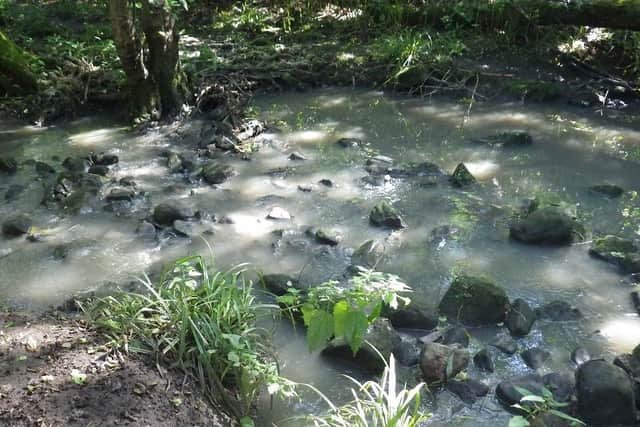
Ofwat concluded that the three companies, including Yorkshire Water, had failed to adequately invest in and maintain their networks, leading to repeated releases of raw sewage into the country’s waterways.
Responding to Ofwat's investigation Yorkshire Water said: "We care deeply about river health and we want to provide reassurance that we have already taken considerable action to improve.
"For the past two years we have been industry leading for our wastewater treatment works compliance.
"We have more robust processes and procedures in place, and we have finished work at 10 storm overflows with 44 on site, and 66 due to start soon as part of our £180m investment programme.
"Our business plan for 2025-2030, which is currently being reviewed by Ofwat, proposes our largest environmental investment of £7.8bn.”
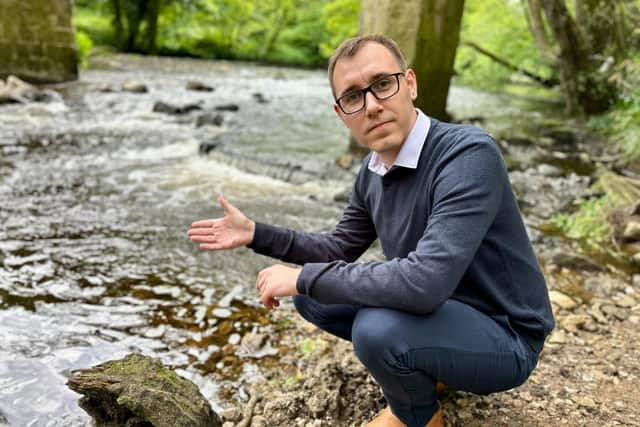
Harrogate and Knaresborough MP Tom Gordon, who met with members of citizen science organisation Nidd Action Group recently to support the campaign to clean up the river, said Ofwat’s conclusions were a “damning indictment” of the environmental “neglect” which has taken place under Yorkshire Water’s watch.
He said: “I didn’t expect Yorkshire Water to be landed with a near £50million fine less than 24 after after meeting with Nidd Action Group to talk about cleaning up our Nidd.
"It is a damning indictment on the state of our rivers, a direct result of the neglect that Yorkshire Water has subjected them to.
"OfWat should not be approving plans allowing water companies to hike bills on consumers while Yorkshire Water and others continue to fail to deliver.
"We also need to see an end to bonuses and shareholder payouts.”
The Consumer Council for Water's analysis of total complaints per 10,000 households that are connected to water suppliers, showed that Yorkshire Water's figure of 102.81 was one of the worst in 2023, though nowhere near as bad as Southern Water at 227.52 or as good as Portsmouth Water at 22.62.
After years of concern at sewage spills in the River Nidd, the previous government accepted a bid for Bathing Water Status on the Nidd in May.
Since then, the Environment Agency has undertaken weekly testing of a stretch of the river by Knaresborough Lido
But figures for the Nidd last month found E.coli at ten times higher than “sufficient” levels, according to the Environment Agency, which means the bathing water quality is still rated as poor..
Yorkshire Water says it is taking steps to address water pollution problems, which, it adds, are by no means solely its own fault.
A Yorkshire Water spokesperson said: “We know there is more to do to improve water quality in Yorkshire’s rivers.
“As part of our business plan that’s currently in consultation, we’ve proposed investment at our storm overflows within 5km upstream of the Lido to reduce discharges in line with the Environment Act targets.
“In the meantime, we’re already underway with a £180m programme to reduce discharges from storm overflows across the region before April 2025 – some of which are based along the River Nidd and its tributaries.
“It is also important to note that river quality can be affected by many potential sources – for example, through agriculture. We’re working with many stakeholders to find pollution sources, and work with them to find suitable solutions.
“As we work together for the health of our rivers, we also welcome input from groups such as the Nidd Action Group.”