
North Yorkshire's financial black hole just got potentially worse as Government cuts rural funds
Cash-strapped North Yorkshire Council is warning of a possible new financial setback after the Government announced it was cutting rural funding.
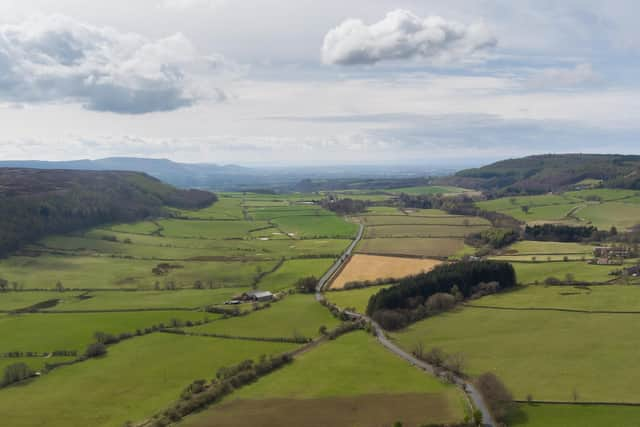
One of the biggest and most spread out counties in England, North Yorkshire Council fears the new approach to funding at Westminster could mean urban areas get treated better than rural ones.
The recent announcement by ministers that a £110 million package of funding for councils covering rural parts of England will be stopped following the announcement of a new review into local government funding policy for the next financial year may mean North Yorkshire is in line to lose £14m.
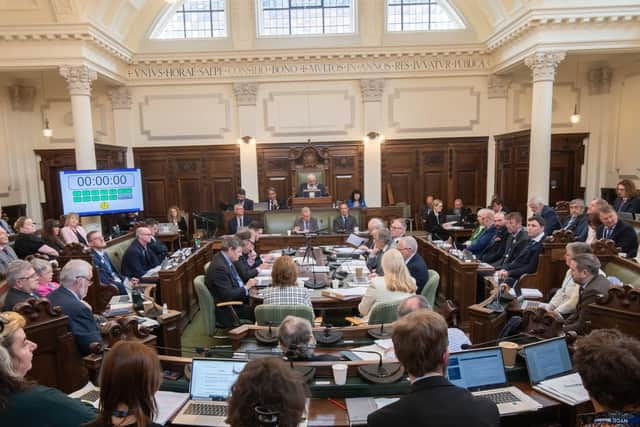
North Yorkshire Council’s deputy leader, Coun Gareth Dadd said: “All councils are faced with an unenviable financial predicament at the moment but we need to make sure that rural parts of the country are given their fair share of funding to support the vital services we deliver.
“The Government has announced it is cutting the grant in advance of a spending review without considering the full impact on rural communities.
“There has to be a commitment that this is carried out in a fair and equal way.
“Ministers have said that one of the key factors for assessing what funding a council receives is the level of deprivation that is being seen in a particular area of the country.
“However, this cannot be allowed to skew funding to more urban areas of the country to the detriment of our countryside communities.
“The loss of the rural services delivery grant will have a major impact in North Yorkshire and has left us with a multi-million pound shortfall that will impact on our budget which is already under immense pressure."
Coun Dadd, whose responsibilities include the council's finance, added that North Yorkshire’s county’s sparsely-populated communities compounded the challenges of providing services to the public, as economies of scale were far diminished when compared to more urban areas of the country.
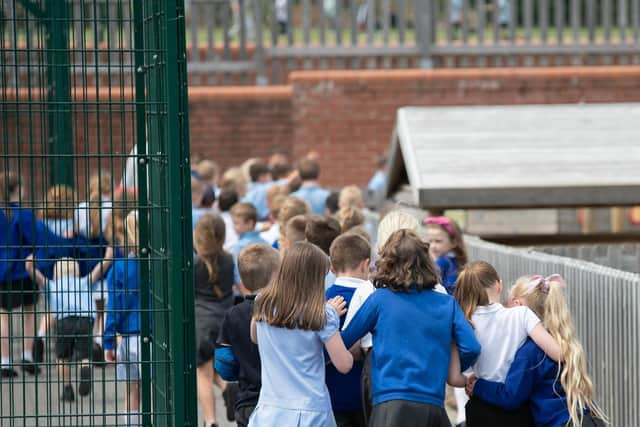
For example, the council spends more than £50 million annually on home to school transport.
The costs to the authority per pupil for home to school transport are more than three times as high as the average for other English councils due to vast rural areas of the county and the distances travelled.
Each hour of social care in North Yorkshire’s rural communities can cost £5 more than in other parts of the country because of the travel costs and the longer journey times between clients.
The financial pressures which North Yorkshire Council is facing has meant that the authority’s predicted annual deficit was about £90 million at the start of this financial year.
The council, which was set up last year as part of local government reorganisation, has drawn up plans to achieve more than £40 million in savings – although this had still left the predicted £48 million annual deficit by March 2027.
The shortfall has been compounded by the unrelenting demand for care of older people, working age adults, and children and young people.
The latest annual report from North Yorkshire Council’s director of public health, Louise Wallace, revealed that 24 per cent of people in the county are now aged 65 or over, compared to 18 per cent elsewhere in England.
This figure is expected to rise much further in future decades, adding to the problem.