
New study's results on water quality of Ripon's main river raise fears over pollution levels
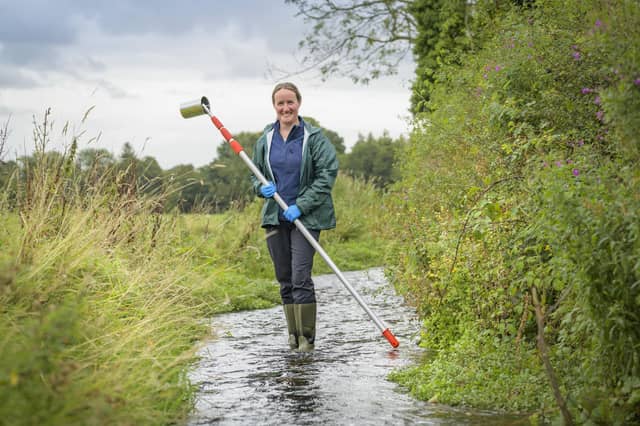

New concerns have been raised over the water quality of the River Ure and ‘safe bathing’ by the public in a comprehensive report conducted by Yorkshire Dales River Trust.
The test of water quality in the River Ure, which runs through Ripon, and its tributaries was undertaken last year by the YDRT volunteers in collaboration with environmental community group, Stop Ure Pollution.
Conducted between August 21 and October 9, 2024, the study aimed to analyse various water quality parameters across 45 sites to establish a baseline profile, identify pollution sources and assess the suitability of potential bathing sites.
Although the results were “mixed”, the study identified several worrying indicators.

Charlotte Simons, YDRT’s Dales to Vale Catchment Partnership Manager said: “The results are mixed, with certain pollutants, such as phosphate and nitrogen, mostly within acceptable limits.
"E.coli concentrations on the other hand were found to be higher than the threshold for safe bathing at Aysgarth Falls and Masham – which are potential bathing sites – and were higher in October compared to August − likely due to storm discharges and agricultural runoff.
“The most concerning part of the results was the identification of pollution from agricultural runoff, septic tanks and storm discharges from sewage treatment works.
"The Tutt tributary, in particular, showed high levels of pollutants, which warrants further investigation.”
Established as a registered charity in 2004, Yorkshire Dales Rivers Trust aims to enhance and protect the rivers of the Yorkshire Dales for the benefit of people, nature and wildlife.
The River Ure report, which can be downloaded from YDRT, makes several recommendations including further investigations on the Tutt and Skell tributaries to identify pollution sources and the implementation of mitigation measures.
It also calls for improved data on the location of septic tanks and the promotion of proper maintenance to reduce nutrient and bacterial pollution.
A further recommendation is that designated bathing water status be pursued for those areas where swimming already takes place to raise public awareness of the water quality and ensure regular monitoring.
For more information and to download the full YDRT/Stop Ure Pollution report visit: https://www.ydrt.org.uk/what-we-do/projects/current-projects/ure-water/