
Historic 'first visit' by King Charles to Knaresborough Castle shocks and delights the town
Large crowds gathered today in Knaresborough as King Charles made a surprise visit and royal walkabout in the town.
Although King Charles III has long-standing links with North Yorkshire, including past visits to Harrogate’s Royal Hall, Ripon Cathedral and the Great Yorkshire Show, it is believed he has never previously visited Knaresborough.
The first sign that arrival of the King was imminent was the introduction of temporary flight restrictions (TFR) over Knaresborough earlier today, on Tuesday, May 26.
'No fly zones' like these, which also ban the use of drones, are usually only imposed for a VIP visit, a royal visit or in a disaster zone.
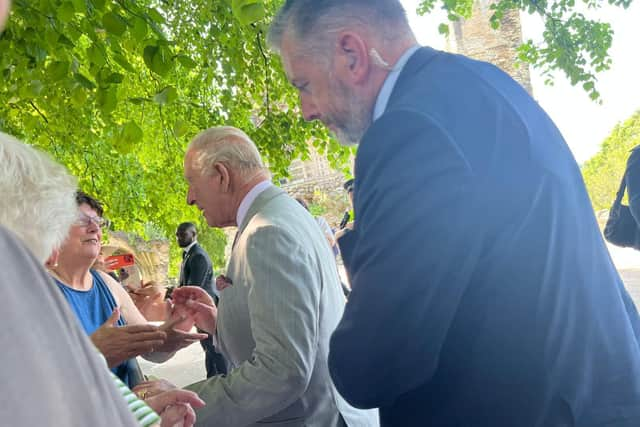

There was also a strong security and police presence in the area, though it did not spoil the large crowd’s enjoyment of this historic moment.
Knaresborough resident Rory Hoy said he was delighted to get the chance to meet the King briefly.
"King Charles shook my hand and asked me if I was local and lived in Knaresborough,” said Rory, who was invited to a Royal Garden Party at Buckingham Palace last year for promoting understanding of autism.
"There was a massive crowd with loads of tourists who had come to see what was happening in the Castle Grounds.”
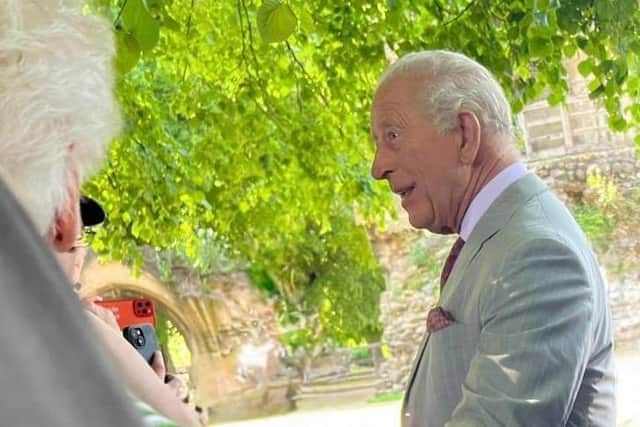
Donkeys Years Antiques, an antique centre located at 9 Silver Street, just off the Market Place, posted the following on Facebook about the excitement of the unexpected royal visit:
"Can’t believe the King has visited Knaresborough today! It’s our wedding anniversary and we have missed him!
“He does own Knaresborough Castle so how wonderful that he has come to see it
"Everyone needs to visit Knaresborough - it’s a fabulously beautiful town.”
King Charles’s time in the town included a visit to Knaresborough Castle, which was built by a Norman baron in 1100, before being rebuilt by Edward I and completed by Edward II between 1307 and 1312,
The monarch’s visit follows petitions from Knaresborough historians and civic figures to bring royal duties to the town's historic castle, which was the site of the first recorded Royal Maundy ceremony in April 1210 by King John.