
'Frail' Harrogate great-grandmother gets UK-first cancer treatment on tumour deemed 'untreatable'
A Harrogate woman has become the first person in the UK to receive a pioneering robotic cancer treatment.
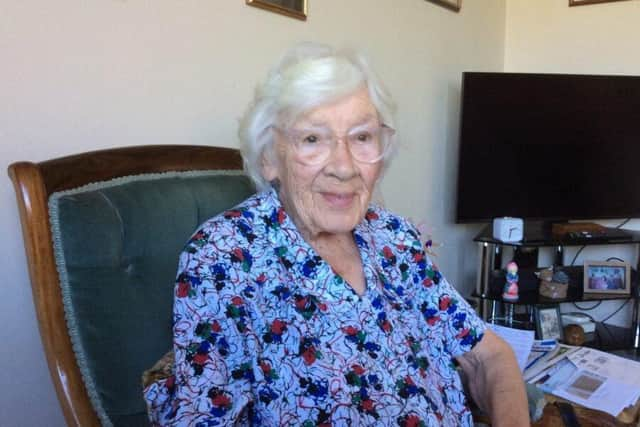
Great-grandmother Brenda Iveson, 92, who suffers from a liver metastasis, was judged to be too frail for surgery and conventional chemotherapy.
Brenda’s tumour was located in a particularly complex part of the liver, making traditional approaches too dangerous and her liver too small to risk radiotherapy.
But, thanks to a specialist team at Leeds Teaching Hospitals NHS Trust, she was offered a new, minimally invasive procedure.

In the first procedure of this kind in the UK, clinicians used robotic needle guidance to precisely place needles around the tumour.
The treatment, known as electrochemotherapy, combines a small dose of chemotherapy with targeted electrical pulses to allow the drug to enter cancer cells more effectively.
The treatment was carried out under general anaesthetic and is non-thermal, meaning it can safely treat tumours located close to vital structures, areas that are often too risky for conventional treatments.
Brenda is the first patient in the UK to be the beneficiary of this pioneering approach, which caused no major side effects and has already reduced her tumour by around 80 per cent.
The procedure was led by Professor Tze Min Wah, research and innovation lead for the Interventional Oncology Programme at Leeds Teaching Hospitals NHS Trust and professor of interventional radiology at the University of Leeds.
Professor Wah said: “This treatment allowed us to offer an option where there would otherwise have been none.
“The addition of robotic guidance improves precision and opens up new possibilities, particularly for patients with tumours in difficult locations or who are not suitable for other treatments.”
Leeds Teaching Hospitals is currently the only site in the UK delivering this treatment as part of a major European research study to better understand how effective and safe this treatment is for patients with liver cancer.
By taking part, Brenda is helping to shape future care for patients worldwide.
“I’m so glad I went ahead with the procedure,” she said. "It wasn’t painful or debilitating, and I feel very well.
"You’re looked after so well, and it’s how medicine moves forward.
"If it helps me and future patients, then it’s worth it.”