
Harrogate charity leads first-of-its-kind cancer genetic screening trial
Women urged to take up new trial
Thousands of women in Yorkshire are being invited to take part in a first-of-its-kind genetic screening trial that could help them take action to reduce their risk of cancer or find it early.


Harrogate-based Yorkshire Cancer Research estimate 19,400 women in the county carry inherited genetic variants linked to cancer, yet around 97 per cent remain unidentified.
And it says that this means 18,800 women in the region do not know they are at an increased risk of developing cancer and are missing out on opportunities to help reduce that risk.
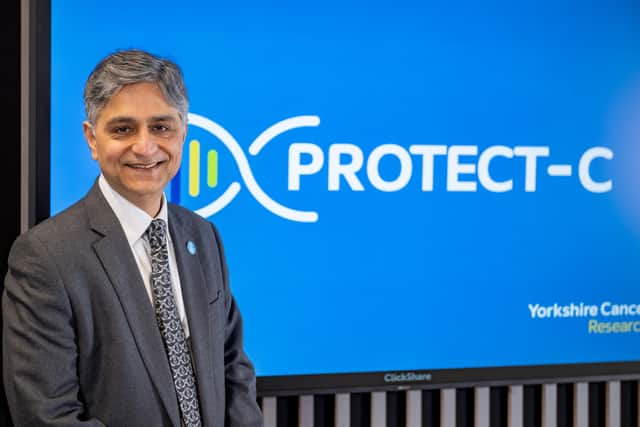
The PROTECT-C trial, funded by Yorkshire Cancer Research and led by Professor Ranjit Manchanda at Queen Mary University of London, aims to save lives by giving women who have not previously undergone testing the opportunity to find out if they carry genetic variants that can increase their risk of breast, ovarian, womb or bowel cancer.
It is the first time this kind of screening has been offered to the public and not just those with a family history of cancer, making it a landmark moment in cancer prevention.
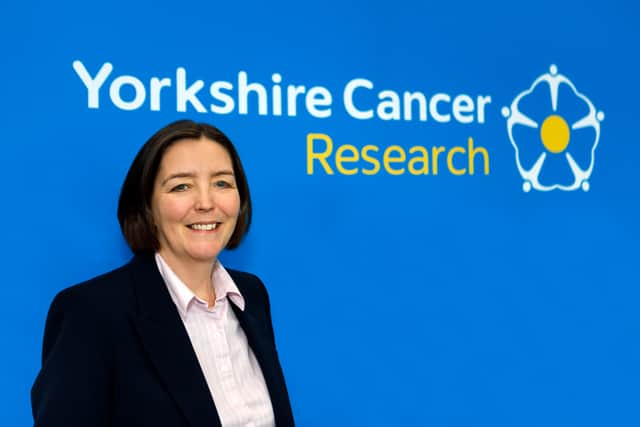
Dr Kathryn Scott, Chief Executive at Yorkshire Cancer Research, said: “This critically important study could transform how we use genetic testing in healthcare.
"Too many women have an increased cancer risk without knowing it.
"This exciting trial is a vital first step towards identifying those women earlier, giving them the choice to make informed decisions about their health.
"It means we can help thousands more women and their families in Yorkshire right now, while also shaping the future of cancer prevention for generations to come.”
Around one in every 20 cancers in women are caused by genetic variants that are passed down in families and increase the chance of developing certain types of cancer.
These inherited genetic variants can be detected through a simple at-home saliva test.

Those who are found to be at increased risk of cancer through the PROTECT-C genetic cancer screening trial will be offered personalised NHS care, including regular screening and, where appropriate, risk-reducing medicine or surgery.
Currently, genetic testing for cancer is only available through the NHS for people who meet certain requirements, for example those who have had specific cancers, or have a strong family history of cancer.
However, many people do not fall into these groups, and this approach relies on someone in the family having already been diagnosed with cancer.
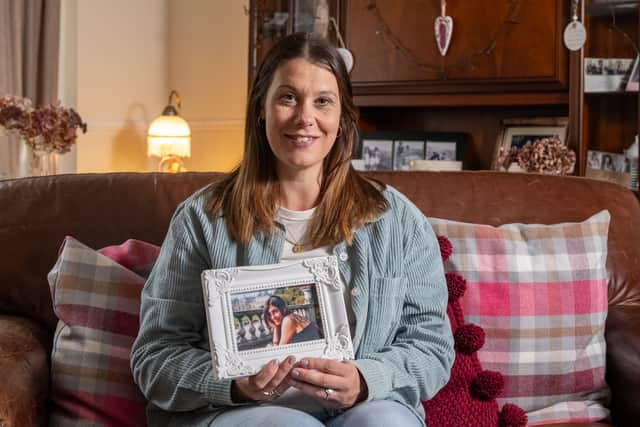
For Katie McSweeney from York, the launch of the PROTECT-C genetic cancer screening trial brings hope that other families won’t have to experience the loss her family have.
In 2017, Katie was diagnosed with stage 3 bowel cancer at the age of 29 after mentioning persistent bowel symptoms to a nurse during an appointment for travel vaccinations. She underwent surgery to remove part of her bowel, followed by six months of chemotherapy.
During her treatment, Katie’s sister, Sara, had also begun experiencing bowel symptoms. Then, on the very day Katie finished chemotherapy, Sara received life-changing news of her own: she too had stage 3 bowel cancer.
Katie recalled: “One minute Sara was texting me wishing me good luck with my final chemo and the next thing I knew she had been rushed to hospital and immediately prepared for surgery.
"It was a huge shock and then it suddenly dawned on me - do my other siblings need to be worried?”
After being referred for genetic testing, Katie discovered she had Lynch syndrome, an inherited genetic condition that increases the risk of bowel, womb and ovarian cancer.
Katie said: “Finding out I had Lynch syndrome was really hard. I felt responsible for my siblings. I wished I’d known sooner so I could have told them sooner. I didn't want any of them to have to go through what I had gone through.”
Katie and Sara underwent the same course of chemotherapy. However, while Katie’s post-chemotherapy scan came back clear, Sara’s showed her cancer had spread. Sadly, she died in December 2018, just nine months after her diagnosis.
During her treatment, Sara was also tested for Lynch syndrome. The letter confirming her diagnosis, however, did not arrive until two days after she died.
Looking back, Katie believes earlier genetic screening could have changed the course of her family’s lives.
She said: “When I think about the PROTECT-C trial, I can't help wondering what might have happened if something like this had existed for my family years ago.
"If we had known about Lynch syndrome earlier, we would have understood the risks we were facing and could have benefited from surveillance and support long before anyone became seriously ill.
“I genuinely believe there is a chance Sara might still be here if genetic testing had been available sooner.
"As cancer hadn’t previously affected our family, we would never had thought to seek genetic testing, and it is unlikely we would have fit the current criteria anyway.
"Of course, we will never know for certain, but having the information about Lynch syndrome earlier could have completely changed the decisions made about her care and the options available to her.”
Now an ambassador for the PROTECT-C trial, Katie, who has three young daughters, hopes her family’s experience will encourage other women to take up the opportunity to find out if they are at an increased risk of cancer.
Katie said: “My family only discovered Lynch syndrome after cancer had already changed our lives forever.
"Tests later showed that my brother also carries the genetic variant, so I’m pleased he now has the knowledge to make informed decisions about his health and benefit from regular screening.
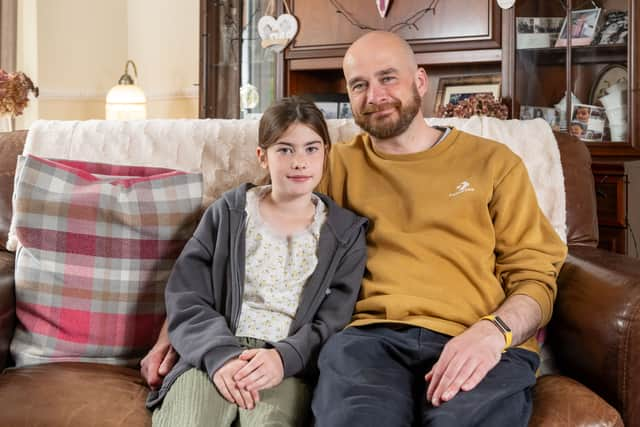
“But my niece, Freya, will spend most of her life without a mum, and our family have lost so many years with our wonderful, funny and supportive sister and daughter.
“The PROTECT-C genetic cancer screening trial has the potential to prevent thousands of people experiencing the pain and loss my family have felt. I
"f our experience encourages even one person to take part and helps prevent another family losing someone they love, then I hope that can become part of Sara’s legacy.”
The trial will also assess whether this approach to genetic testing is affordable and beneficial for the NHS.
In addition, the study will investigate the psychological impact on those participating and will assess the proportion of women choosing to proceed with the genetic test once they have learnt more about it through the digital platform and other support.
Researchers believe the model being tested could also pave the way for cancer genetic screening programmes for men or to identify genes responsible for other chronic diseases.
The lead investigator for PROTECT-C, Professor Ranjit Manchanda, is a clinical researcher and surgeon specialising in gynaecological cancer whose research in cancer screening and prevention over 20 years has helped shape NHS policy.
Professor Manchanda said: “Throughout my career, I’ve operated on women with gynaecological cancers who only discovered they carried an inherited genetic variant when life-changing surgery and highly intensive treatment was the only option.
"For many, the cancer was found too late to be cured. Identifying that someone has an increased genetic risk of cancer after they’ve already been diagnosed is a failure of cancer prevention.
“We now have a major opportunity to help change that by giving women greater opportunities to prevent cancers.
"Information from cancer gene testing saves lives by helping people proactively control their cancer risk and detect cancers earlier or prevent them from occurring.
“This study could help fundamentally change how we deliver cancer genetic testing in healthcare.
"This could prevent thousands more cancers than any current strategy, saving many lives.
"The long-term goal is to build the evidence needed to inform a wider rollout of genetic cancer testing for the general population.
"If we want to reduce the impact of cancer across the country, we have to think bigger. Healthcare must shift from reacting to cancer to preventing it.”
Yorkshire is one of the regions hardest hit by cancer and people in the region are more likely to have their lives cut short by cancer than almost anywhere else in England.
Yorkshire Cancer Research is funding £99m of vital research and cancer services to prevent, detect, diagnose and treat cancer for people in Yorkshire.
The PROTECT-C trial will involve 5,000 people from across the UK, with about 70 per cent of participants from Yorkshire. Researchers funded by Yorkshire Cancer Research are keen to understand whether population-wide genetic screening could help reduce health inequalities in Yorkshire and beyond by reaching people who may not otherwise be aware of or have access to genetic testing.
Women, trans men and non-binary people with female reproductive organs can express an interest in participating at: www.protect-c.co.uk.
Find out more about the ground-breaking PROTECT-C cancer genetic screening trial: www.YorkshireCancerResearch.org.uk/protect-c